
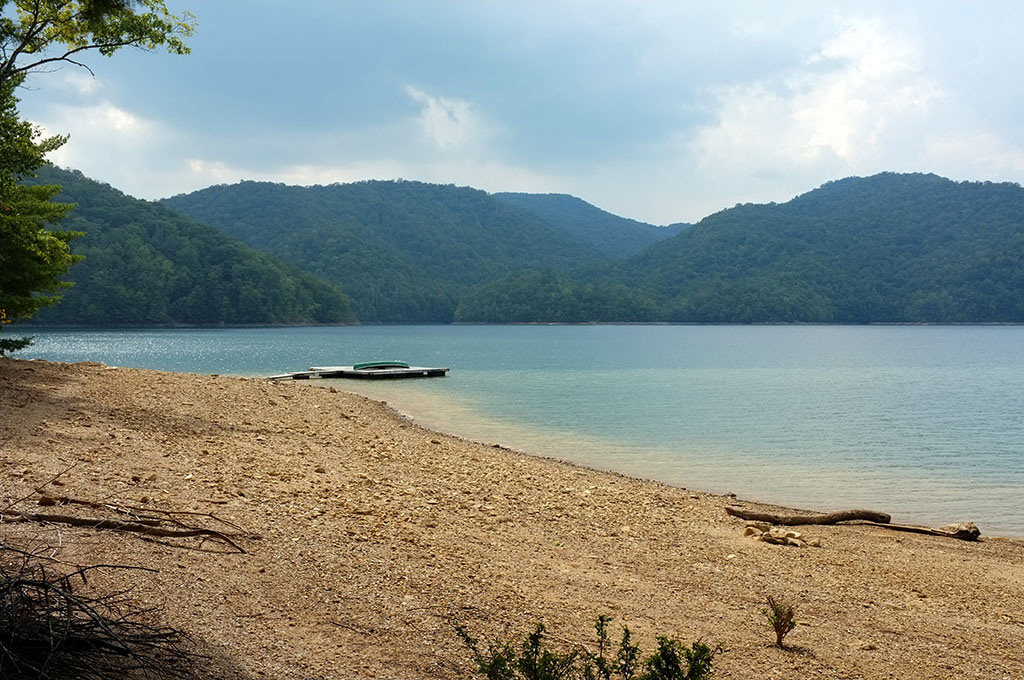
The historic Camp Sequoyah Canoe Camp on Nantahala Lake is forever conserved thanks to a conservation easement donated to Mainspring by Emory and Martha Crawford in late 2008. The Crawford family had the unique opportunity to preserve a special piece of Western North Carolina history when they purchased the camp in the 1970s. As development in the area increased, they wanted a way to protect the property without giving up control over it, and were directed to Mainspring. The seven-acre site on the northwest shore of Nantahala Lake in Macon County is bounded by Nantahala National Forest land. The camp was established in the early 1920s, as a satellite to the primary Camp Sequoyah property in Weaverville, NC (learn more about the camp’s history at www.campsequoyah.org).
-
Tessentee Bottomland Preserve
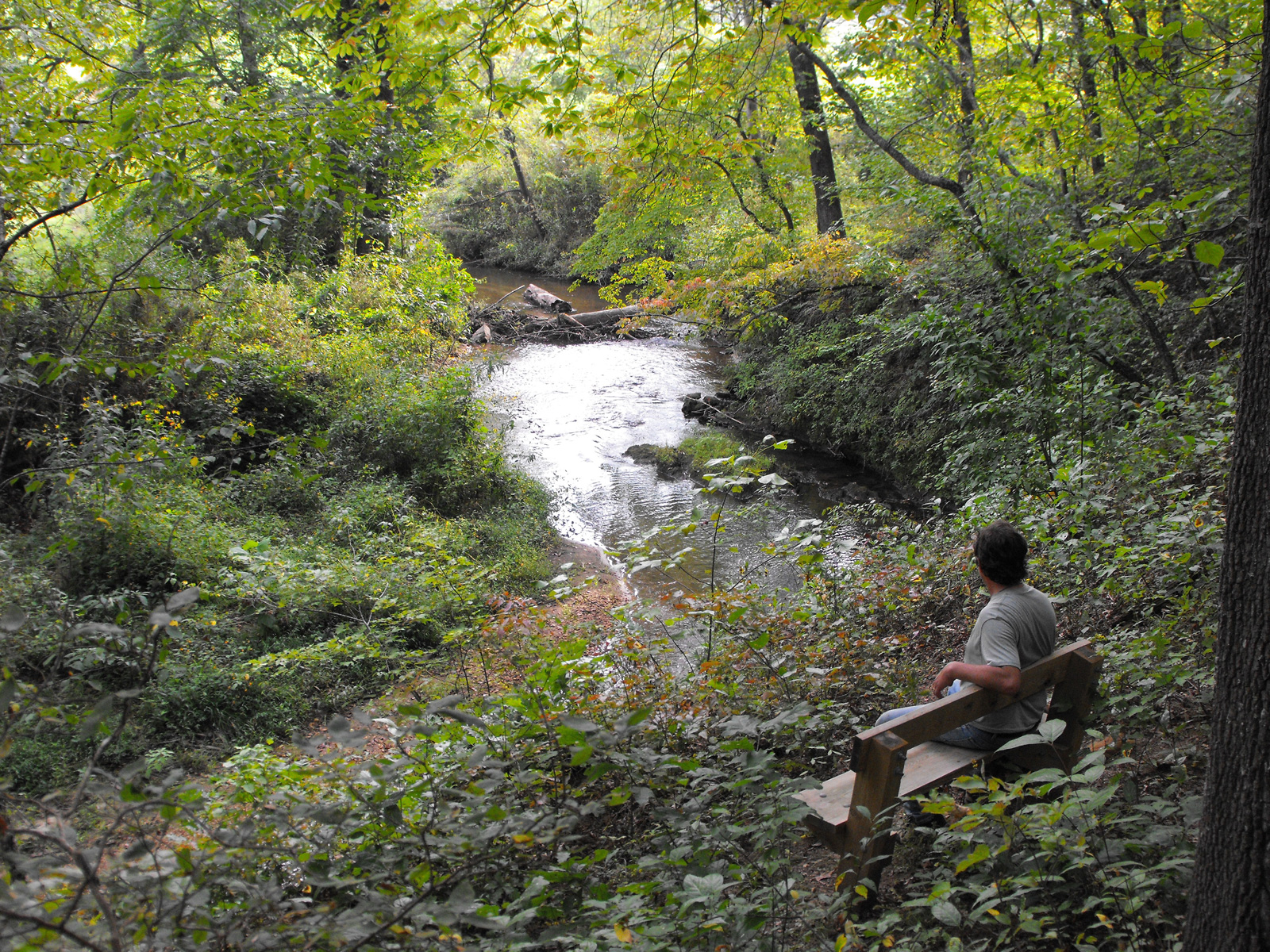
Mainspring acquired the original 64-acre tract of bottomland and river bluff land at the junction of Tessentee Creek and the Little Tennessee River in November of 1999. In 2009, a bargain sale by Margaret Parks, in honor of her late husband, James (Jim) Parks, Jr., allowed Mainspring to add another 5.6 acres to the preserve. Purchasing the Tessentee Bottomland Preserve launched an extraordinary river corridor conservation initiative, and created a laboratory for land restoration and stewardship in the valley, including a rivercane management and harvest collaboration with Cherokee artisans. Tessentee is a rich mosaic of wildlife and plant habitats, and it serves as a microcosm of Mainspring’s stewardship and restoration work.
Visit Tessentee Bottomland Preserve.
See artisans harvest trees for traditional Cherokee basket weaving at a Tessentee White Oak Harvest
See Tessentee from a dog’s point of view, as Hershey Visits Tessentee.
-
Brownfield remediation
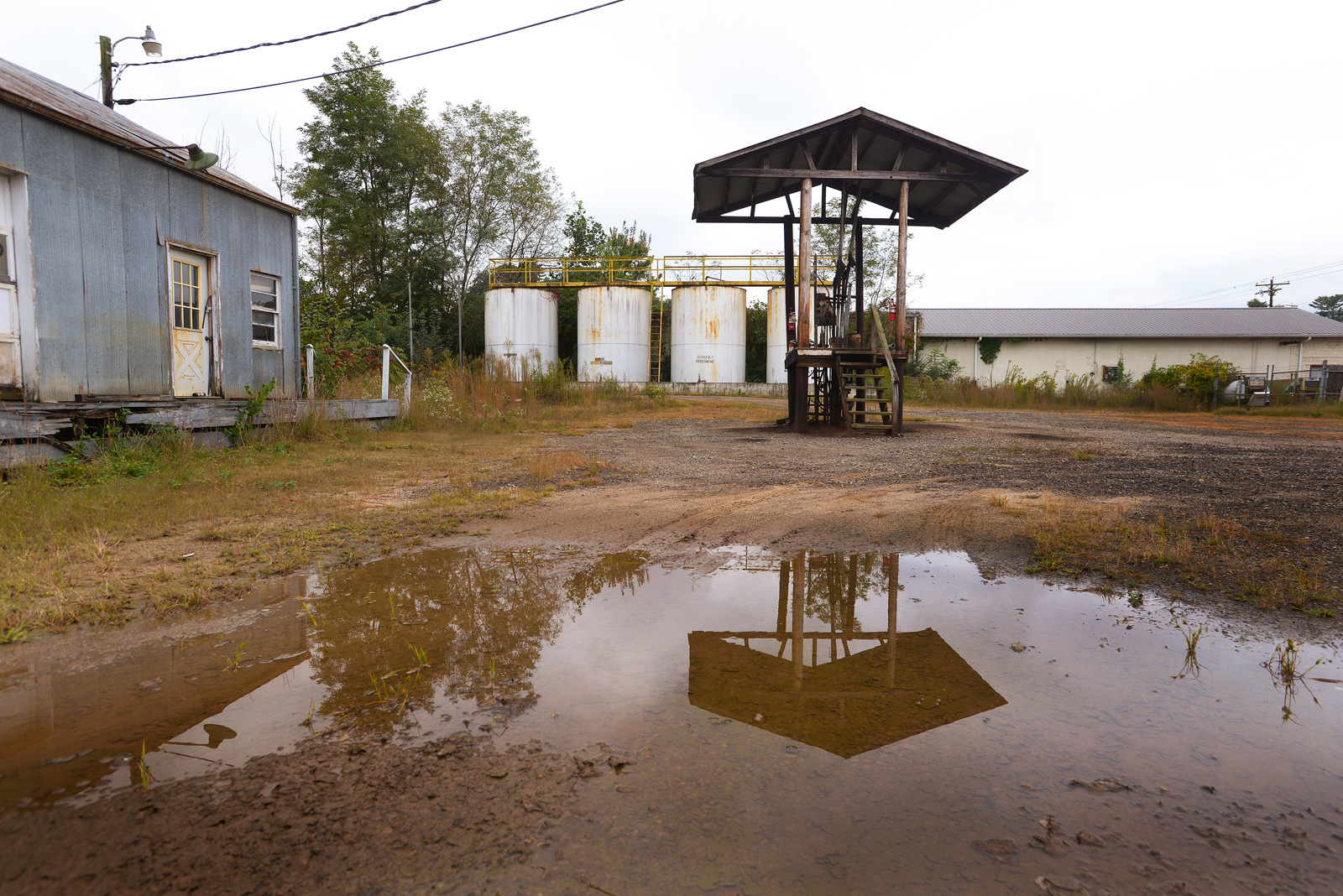
A former service station, this property is directly adjacent to Mainspring’s main office in Franklin, North Carolina. In 2014 Mainspring learned that the property, which includes 350 feet of frontage along the Little Tennessee River, was for sale, but was likely contaminated due to 40+ years of storing and distributing petroleum. Associate Director Ben Laseter coordinated an effort of multiple agencies to clean up the property, and community volunteers have helped deconstruct the buildings on the property. Eventually Mainspring plans to use the property as an outdoor learning and gathering space, and plans for it to feature river access to the Little Tennessee.